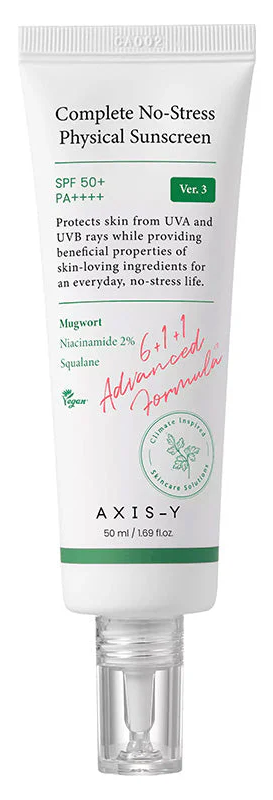
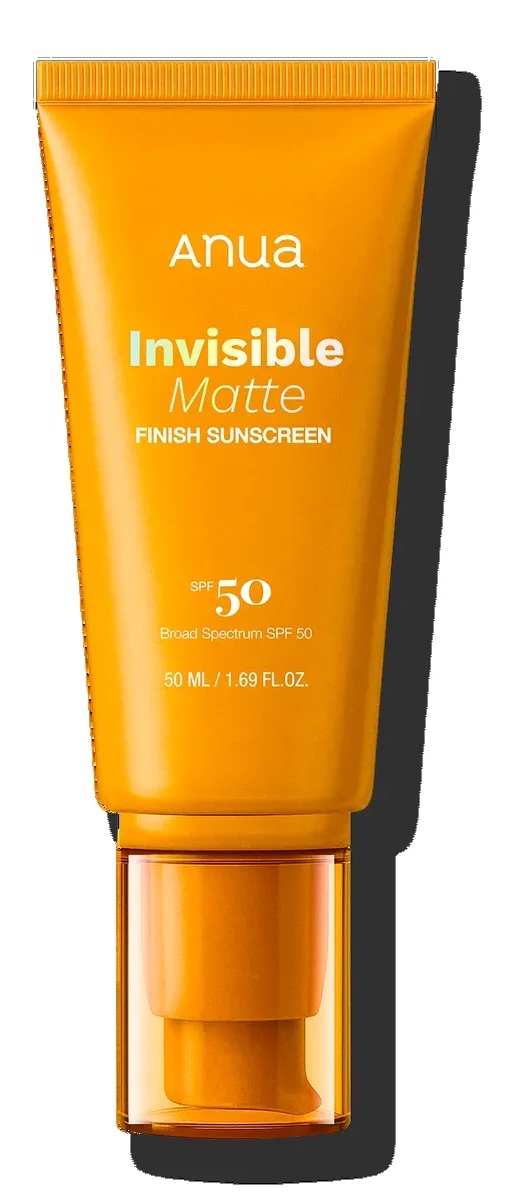
Choose a sunscreen with at least SPF 30 (50 preferred) and broad-spectrum (UVA/UVB). For oily skin pick a light or gel formula, for dry skin a hydrating one, and for sensitive skin a mineral sunscreen (zinc or titanium). Apply enough and reapply every two hours in the sun. Sunscreen is the most important step to prevent aging, pigmentation and skin cancer.
If you pick just one product for your skin, make it sunscreen. It’s the strongest protection against premature aging, pigmentation and skin cancer, and the foundation of any other treatment’s success. In the sunny Mediterranean climate, it isn’t a luxury but a daily necessity.
Written & reviewed by: Dr. Aman HammoudiLast updated: July 2026
📊 Quick facts
SPF 30blocks ~97% of UVB; SPF 50 blocks ~98%
Every 2 hoursreapply sunscreen every two hours with continuous sun exposure
Preventionregular sunscreen use lowers the risk of skin cancer and aging signs
🔬 UVA vs UVB — how they harm the skin, interactive
The two ray types reach different depths. Tap each to see where it reaches and what it causes, then try “broad-spectrum” which blocks both.
B
🔍 Types of rays and what they cause
UVB rays: cause burns and redness and play a role in skin cancer. The SPF number on the package (like 30 or 50) indicates the strength of protection against them.
UVA rays: penetrate deep skin layers (deeper than UVB) and pass through window glass and clouds, causing aging, pigmentation and wrinkles. To protect against them, choose a sunscreen labeled “broad-spectrum,” meaning it blocks both ray types.
Visible light: worsens melasma and pigmentation, especially in tan and darker skin; blocked by tinted/mineral sunscreen.
Rays in shade and clouds: UV reaches even on cloudy days and through windows — so protection is daily.
🧪 Evidence-backed active ingredients
These ingredients are backed by scientific evidence for this concern. What’s best for your skin is decided by the pharmacist or doctor — and some need gradual introduction. The examples shown under each ingredient are for illustration only and not a sales offer; the doctor or pharmacist decides what’s best for your skin.
Mineral sunscreenZinc / titanium
Reflects UV, works instantly, gentle on sensitive and rosacea-prone skin and children. May leave a light white cast.
The last morning stepAfter moisturizer and before makeup.
2
Enough productFor the face and neck: apply two lines of sunscreen along your index and middle fingers (the “two-finger rule”). Too little greatly weakens protection.
3
Don’t forgetThe neck, ears, around the eyes and the backs of the hands.
4
Reapply every two hoursIn direct exposure, and after swimming or sweating.
5
DailySummer and winter, and indoors near windows too.
💡 Daily tips
The golden rule: enough product + reapply every two hours = real protection.
For oily skin: a non-comedogenic formula with a matte finish.
For sensitive/rosacea-prone skin: a gentler mineral sunscreen.
For melasma and pigmentation: a tinted sunscreen that blocks visible light.
Sunscreen doesn’t replace a hat and shade at peak midday sun.
⚠️ When to see a dermatologist
Severe sunburn with blisters under the skin or a fever.
A mole or spot changing in size, color, shape or edges.
A spot that bleeds, flakes or won’t heal.
A rash or recurring reaction to the sunscreen itself.
Any new, unusual skin growth — worth a dermatologist’s check.
❓ FAQ
Yes if you’re near windows; UVA penetrates glass and contributes to aging and pigmentation.
Every two hours in direct sun, and right after swimming or heavy sweating.
Both are effective if broad-spectrum with enough SPF. Mineral is gentler for sensitive skin, and chemical has a lighter feel. The best is the one you use daily.
No. Even SPF 50 needs reapplication and enough product. A high number doesn’t remove the need to reapply every two hours.
Medical disclaimer: This content is general educational information only — not a diagnosis or a substitute for consulting a doctor or pharmacist. Do not start any prescription medication (such as antibiotics or oral retinoids) without medical supervision.
🧪 Free tool
Try the skin analysis tool
Answer a few quick questions and we’ll build a full morning and evening routine from products we actually stock — with automatic conflict and safety checks.