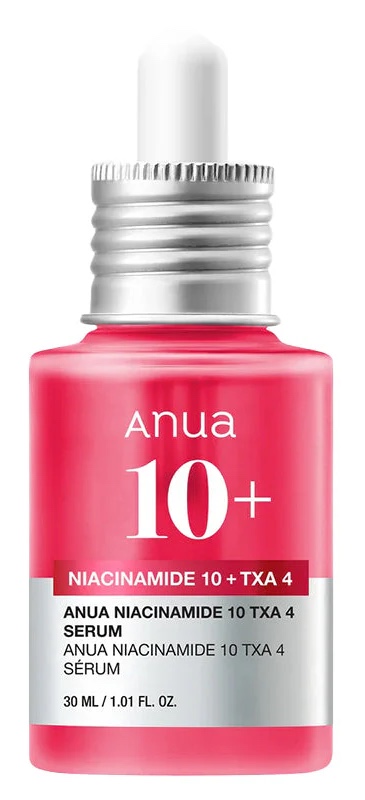
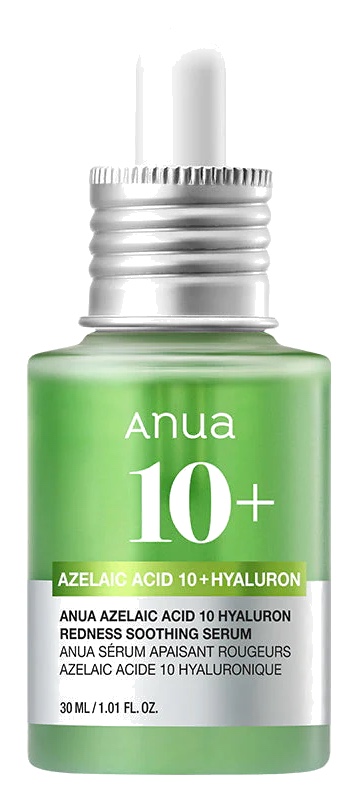
Pigmentation is treated on three pillars: daily sunscreen (the most important — without it any treatment fails), brightening ingredients like vitamin C, niacinamide, azelaic and kojic acid, and patience since results take 8–12 weeks. Deep melasma and stubborn spots should be treated under a dermatologist’s supervision. Avoid rubbing the skin or using harsh products, as they worsen pigmentation.
Dark spots, melasma and post-acne marks are among the top concerns for people in Mediterranean regions, where the sun is strong most of the year. Treating pigmentation is a journey of patience — and its most important step isn’t the brightener, but sunscreen.
Written & reviewed by: Dr. Aman HammoudiLast updated: July 2026
📊 Quick facts
Azelaic 20%showed efficacy equivalent to hydroquinone 4% (the gold standard) for melasma
Niacinamidereduces melanin transfer to surface cells and evens skin tone
Sunscreenthe most important step — without it, any pigmentation treatment loses its effect to UV
🔍 Common causes
Ultraviolet sun: the number-one driver of pigmentation; it stimulates melanin production and deepens existing spots — especially in Latakia’s summer.
Post-inflammatory pigmentation: dark marks left after acne, wounds or any skin inflammation.
Hormonal melasma: symmetric patches on the cheeks and forehead, linked to pregnancy and birth-control pills, and worsened by the sun.
Other factors: some medications, irritation from harsh products, and genetics.
🔬 How dark spots form — interactive
Ultraviolet rays stimulate pigment cells to produce melanin, which rises to the surface as a dark spot. Switch between the two states to see why prevention matters more than any brightener.
!
🧪 Evidence-backed active ingredients
These ingredients are backed by scientific evidence for this concern. What’s best for your skin is decided by the pharmacist or doctor — and some need gradual introduction. The examples shown under each ingredient are for illustration only and not a sales offer; the doctor or pharmacist decides what’s best for your skin.
SunscreenThe undisputed #1
Without it no brightening treatment succeeds. SPF 50, broad-spectrum, daily and reapplied every two hours in the sun. For melasma, a mineral/tinted sunscreen that also blocks visible light is preferred.
Sunscreen SPF 50In the morning, reapplied every two hours — the step that determines everything’s success.🌿 Examples: Heartleaf Sun Cream SPF50+
💡 Daily tips
Sunscreen daily, summer and winter — UV penetrates even through clouds.
Avoid harshness and over-exfoliation; irritation worsens pigmentation.
Results are slow: at least 8–12 weeks, and consistency is key.
Don’t squeeze pimples to avoid new dark marks.
For melasma: even phone and screen light can affect it; a tinted sunscreen helps.
⚠️ When to see a dermatologist
A new spot with an irregular shape or color, or one growing/changing quickly.
A spot that bleeds, flakes or won’t heal.
Severe melasma that doesn’t respond to topical treatments.
Sudden, widespread pigmentation with no clear cause.
Any mole changing in size, color or edges — needs an immediate check.
❓ FAQ
Usually due to lack of sun protection. Without daily, reapplied sunscreen, UV keeps stimulating melanin and cancels out the brightener’s effect.
Post-acne marks may take weeks to months, while melasma is harder and slower and often needs medical follow-up.
It depends on the type and depth of pigmentation. Melasma in particular can worsen with some lasers, so a specialist decides.
Some ingredients are avoided during pregnancy. Azelaic acid, niacinamide and sunscreen are usually safer — but check with your doctor first.
Medical disclaimer: This content is general educational information only — not a diagnosis or a substitute for consulting a doctor or pharmacist. Do not start any prescription medication (such as antibiotics or oral retinoids) without medical supervision.
🧪 Free tool
Try the skin analysis tool
Answer a few quick questions and we’ll build a full morning and evening routine from products we actually stock — with automatic conflict and safety checks.