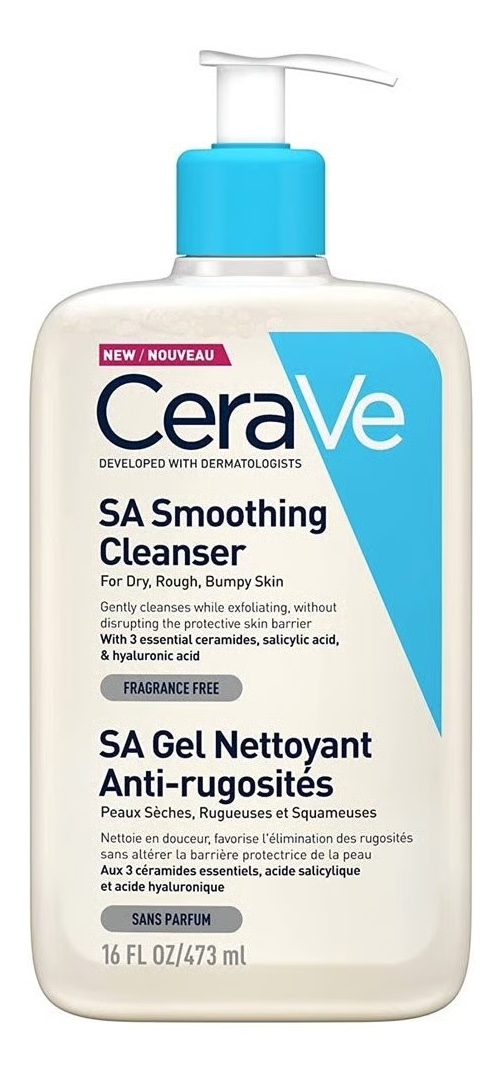
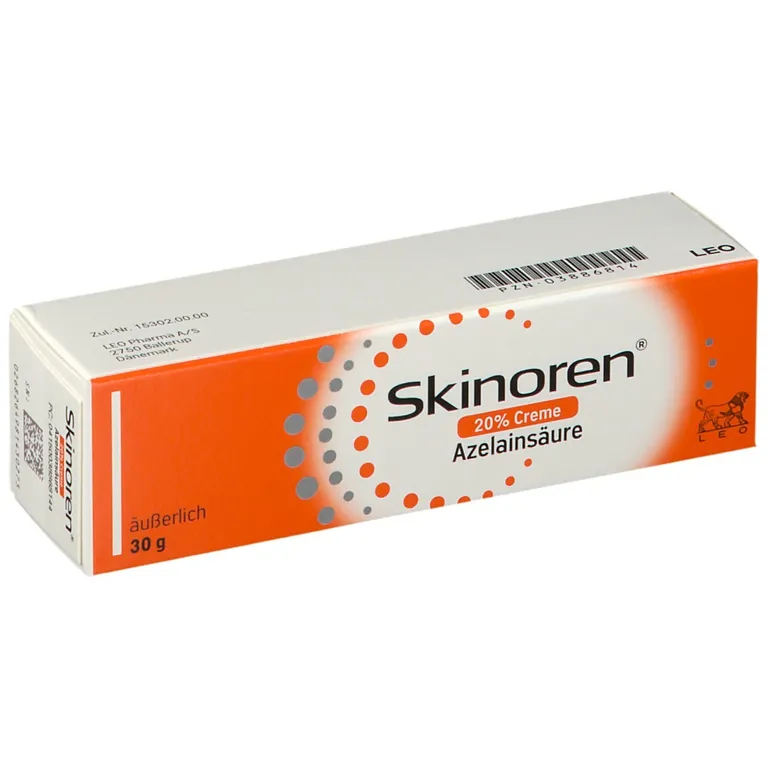
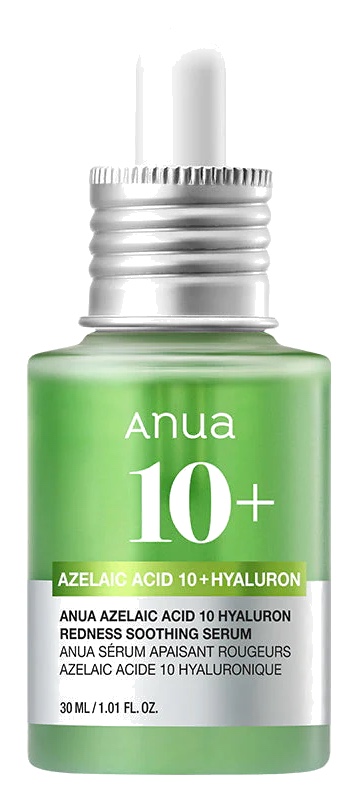
Acne is treated with a gentle, consistent routine: a mild cleanser twice a day, and an active suited to the type of breakout — benzoyl peroxide or salicylic acid for pimples, a retinoid for blackheads, and azelaic acid or niacinamide for sensitive skin. With daytime sunscreen. Results take 8–12 weeks of consistency, and severe cases call for a dermatologist.
Acne is one of the most common skin conditions, affecting teens and adults alike. The good news is it’s manageable with a consistent routine and the right ingredients — the key is gentleness and consistency, not being harsh on the skin.
Written & reviewed by: Dr. Aman HammoudiLast updated: July 2026
📊 Quick facts
85%of teens (ages 12–24) get acne at some point
8thmost common skin disease worldwide (~9% global prevalence)
64%still have acne in their 20s, and ~43% in their 30s
12 weeksthe approximate time actives need to show a clear result
🔍 Common causes
Excess oil: overactive oil glands clog the pores, often under hormonal influence.
Clogged pores: dead cells building up with oil form whiteheads and blackheads.
Bacteria (C. acnes): multiply inside clogged pores and cause inflammation and redness.
Hormones: hormonal breakouts concentrate around the chin and jaw and often follow the menstrual cycle.
External factors: pore-clogging products, phone and pillow friction, sweating, and some medications.
🔬 How a pimple forms — interactive
Tap the stages in order and watch what happens inside the pore step by step. Every acne treatment targets one of these stages.
1
🧪 Evidence-backed active ingredients
These ingredients are backed by scientific evidence for this concern. What’s best for your skin is decided by the pharmacist or doctor — and some need gradual introduction. The examples shown under each ingredient are for illustration only and not a sales offer; the doctor or pharmacist decides what’s best for your skin.
Benzoyl peroxideKills bacteria
Effective against acne bacteria and reduces inflammation. Start at a low concentration (2.5–5%) to avoid dryness. Note: may bleach fabrics.
Reduces inflammation and bacteria and fades post-acne marks — a relatively gentle option suitable for sensitive skin and pregnancy (with consultation).
Don’t squeeze pimples — it worsens inflammation and leaves marks and pigmentation.
Introduce actives one at a time and slowly to watch how your skin tolerates them.
Clean your phone screen and change your pillowcase regularly.
Give a treatment 6–8 weeks before judging the result; improvement is gradual.
Moisturizer and sunscreen aren’t optional — they protect the barrier and prevent pigmentation.
⚠️ When to see a dermatologist
Large, painful, deep (cystic) breakouts or nodules under the skin.
Widespread acne that doesn’t respond to topical treatments after several weeks.
Marks and scars forming continuously.
Sudden severe breakouts in adults, or accompanied by other hormonal signs.
A clear psychological impact from the skin’s appearance.
❓ FAQ
Yes. Dryness from over-cleansing pushes the glands to produce more oil. Use a light, oil-free moisturizer that maintains the skin barrier.
Usually 6 to 8 weeks for noticeable improvement with regular use. Consistency matters more than strength.
Evidence links some cases to high-sugar foods and dairy in certain people, but the effect is individual and varies from person to person.
It’s best to separate them (one in the morning, the other at night) because benzoyl peroxide can oxidize some forms of retinol and tretinoin and reduce their effect; adapalene, however, is stable with it. Ask the pharmacist.
Medical disclaimer: This content is general educational information only — not a diagnosis or a substitute for consulting a doctor or pharmacist. Do not start any prescription medication (such as antibiotics or oral retinoids) without medical supervision.
🧪 Free tool
Try the skin analysis tool
Answer a few quick questions and we’ll build a full morning and evening routine from products we actually stock — with automatic conflict and safety checks.