What are azelaic acid’s benefits and how do I use it?
Azelaic acid is a multitasking ingredient backed by strong evidence: it treats rosacea, acne and pigmentation (melasma and post-acne marks). It acts as an anti-inflammatory and antibacterial and inhibits melanin production. Common concentrations are 10% (cosmetic) and 15–20% (medicinal). Used once or twice daily, relatively gentle, and considered safe during pregnancy and breastfeeding (with consultation).
Azelaic acid has been the most searched-for skincare acid lately — and for good reason. It’s a rare “multitasker”: it calms rosacea, treats acne and fades pigmentation, all with a relative gentleness that suits even sensitive skin. And it’s one of the few considered safe during pregnancy.
Written & reviewed by: Dr. Aman HammoudiLast updated: July 2026
📊 Quick facts
Multitaskertreats rosacea, acne and pigmentation together
Pregnancy-safeone of the few ingredients considered safe during pregnancy and breastfeeding
Naturally deriveda dicarboxylic acid produced by a natural yeast on the skin
✨ What is azelaic acid?
Azelaic acid is a dicarboxylic acid, produced naturally by the Malassezia yeast found on the skin, and also present in whole grains like wheat and barley. It has three mechanisms that make it useful across several conditions: anti-inflammatory, antibacterial, and a tyrosinase inhibitor (the enzyme responsible for melanin production) so it fades pigmentation. It also has gentle exfoliating properties that regulate cell renewal.
🔬 Why “multitasker”? The triple action — interactive
The secret to azelaic’s range of benefits is that it works through three mechanisms at once. Tap each mechanism to learn what it does and who it helps.
3
🎯 Its evidence-backed benefits
Systematic reviews (analyzing dozens of controlled trials) support its effectiveness in:
RosaceaStrongest evidence
Improves redness and the number of inflammatory lesions with a clear margin over placebo after 12 weeks, and studies show it’s more effective than 0.75% metronidazole.
AcneAntibacterial & anti-inflammatory
Reduces inflammatory and non-inflammatory lesions with results close to retinoids in some studies, sometimes with better tolerance.
Pigmentation & melasmaInhibits melanin
Fades melasma and dark post-acne marks (post-inflammatory pigmentation), especially useful for darker skin because it targets overactive cells.
Brown post-acne marksDouble benefit
Treats acne and fades its marks at the same time — a practical advantage for those with both.
🧴 How to use it
1
Clean skinApply after cleansing and drying, on dry skin.
2
A thin layerA small amount spread over the treated area, once or twice a day as directed.
3
Moisturizer on topReduces any initial mild stinging (normal and fades with adjustment).
4
Sunscreen during the dayEssential with pigmentation treatment to prevent spots from returning.
Results are gradual: acne usually improves after ~4 weeks, while rosacea may take up to 12 weeks. Consistency is the key.
🛒 Available azelaic acid products
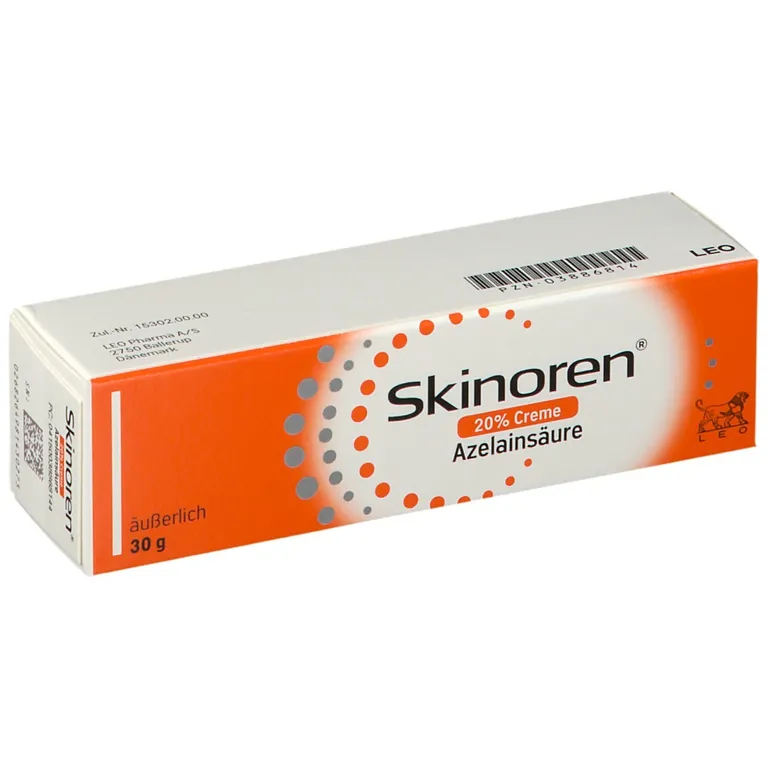
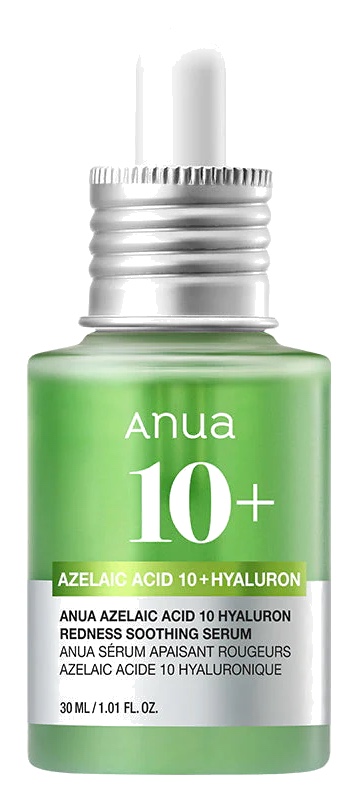
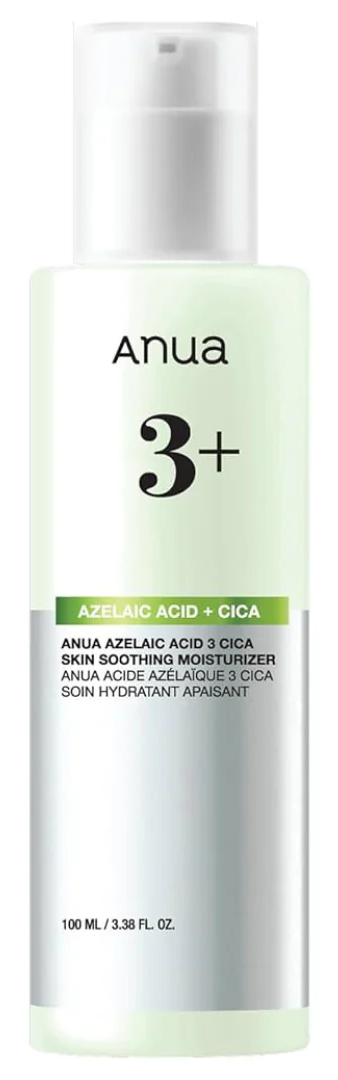
Examples from what we actually stock at different concentrations — from the gentle serum (10%) to the medicinal cream (20%). The pharmacist advises the best fit for your condition and skin sensitivity.
10% (cosmetic/OTC): available in serums, gentle and suitable for beginners and daily use.
15% (medicinal gel): approved for rosacea in several countries.
20% (medicinal cream): approved for acne, stronger and may need a prescription depending on the country.
Compatible generally with niacinamide, vitamin C and gentle moisturizers.
Initial mild stinging is normal and fades with adjustment; start once a day if your skin is sensitive.
💡 Daily tips
Start once a day (in the evening) then increase to twice if your skin tolerates it.
Mild stinging or redness at first is normal; moisturizer on top eases it.
You don’t need a high concentration right away — 10% regularly may be enough for many cases.
Sunscreen is essential, especially if you’re using it for pigmentation.
Give it time: rosacea may need 8–12 weeks to show a clear result.
⚠️ When to see a dermatologist
Severe rosacea or acne that doesn’t respond to topical treatment after several weeks.
Severe, persistent irritation or burning (not the usual mild stinging).
Widespread pigmentation or stubborn melasma you want to combine with other treatments (needs a doctor’s supervision).
Pregnancy or breastfeeding — although generally considered safe, confirm with your doctor first.
❓ FAQ
It’s one of the few ingredients rated relatively safe during pregnancy and breastfeeding, and is often chosen as an alternative to off-limits retinoids. But always confirm with your doctor before starting.
10% is a gentle cosmetic strength for daily use and beginners, while 15–20% are stronger medicinal concentrations approved for rosacea and acne and may need a prescription depending on the country. Start lower if your skin is sensitive.
Yes, it’s generally compatible with niacinamide, vitamin C and gentle moisturizers, and combining can be beneficial without overdoing it. Introduce one new ingredient at a time to watch your skin’s tolerance.
Gradually: acne usually improves after about 4 weeks of regular use, while rosacea may take up to 12 weeks. Consistency matters more than strength.
Medical disclaimer: This content is general educational information only — not a diagnosis or a substitute for consulting a doctor or pharmacist. Medicinal concentrations may need a prescription, and consult your doctor during pregnancy.
🧪 Free tool
Try the skin analysis tool
Answer a few quick questions and we’ll build a full morning and evening routine from products we actually stock — with automatic conflict and safety checks.