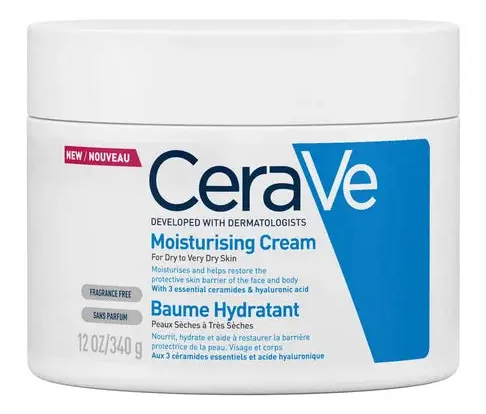
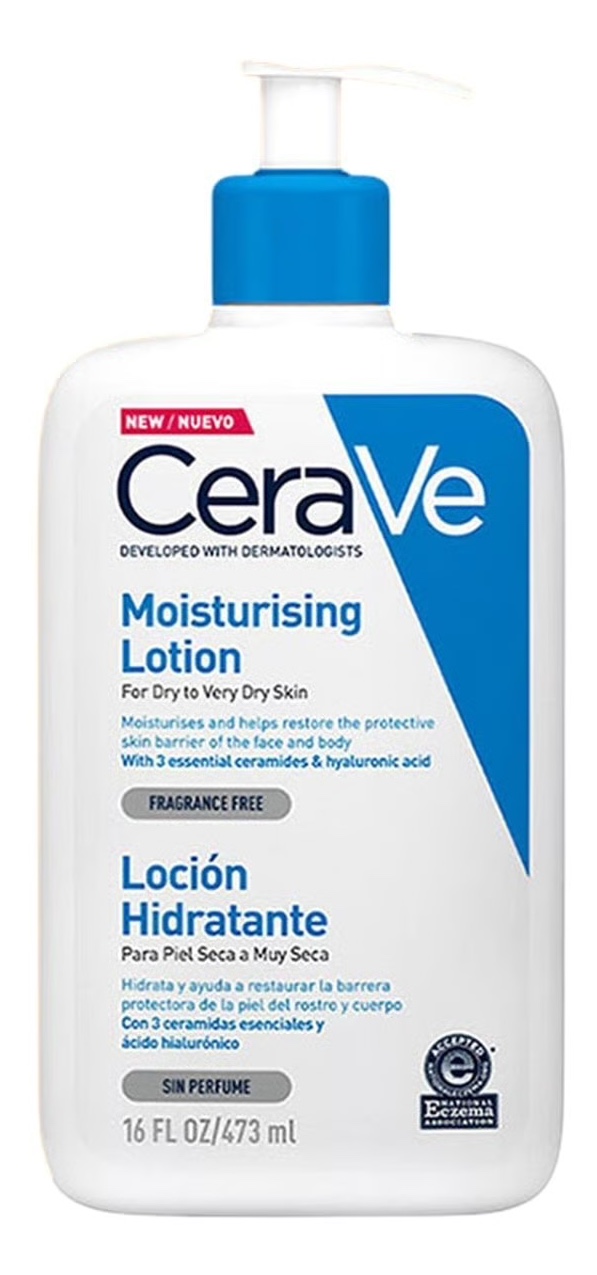
Immediately stop all strong actives (acids, retinol, exfoliants) and simplify your routine to: a gentle low-pH cleanser, a ceramide-rich moisturizer (ideally a 3:1:1 ceramide:cholesterol:fatty-acid ratio), and sunscreen. Add soothing ingredients like niacinamide, panthenol and hyaluronic. Most people improve within days, and full recovery is 2–4 weeks.
The skin barrier is the outer layer that locks in water and keeps irritants and germs out. When it weakens — often from over-exfoliation, strong actives or weather — bothersome signs appear: dryness, burning, redness and sudden sensitivity. The good news is that repair is possible and uncomplicated, but it takes patience.
Written & reviewed by: Dr. Aman HammoudiLast updated: July 2026
📊 Quick facts
~50%ceramides make up about half the lipids in the skin’s outer layer
3:1:1the optimal ceramide:cholesterol:fatty-acid ratio to speed repair
2–4 weeksthe approximate time for full recovery, depending on damage severity
Stop activesfirst step: stop acids and retinol until the barrier recovers
🧱 The barrier: healthy vs damaged — try it yourself
The skin’s outer layer is like a wall: the cells are “bricks,” and the lipids between them (ceramide + cholesterol + fatty acids) are the “mortar” that fills the gaps. Tap the two buttons to see what happens when the mortar runs low.
The mortar (lipids) fills the gaps, so water is locked in and irritants are blocked — comfortable, protected skin.
Bricks = skin cells · Mortar = lipids
🔍 Signs of a damaged barrier
Persistent dryness and flaking despite regular moisturizing.
Burning or stinging from products you used to tolerate easily.
Sudden redness and sensitivity and tightness after washing.
Itching or roughness and uneven texture.
New breakouts or irritation that won’t settle with usual treatments.
⚡ What damages the barrier?
Over-exfoliation: overdoing acids or physical scrubs is the most common cause.
Strong actives without ramp-up: introducing retinol or acids too fast or too strong.
Harsh cleansers: strong foaming cleansers that leave skin feeling “tight” — a bad sign.
Harsh weather: cold, wind, heat and low humidity.
Fragrances and drying alcohol and using too many products.
🧪 Evidence-backed repairing ingredients
These ingredients are evidence-backed for repairing the barrier. What’s best for your skin is decided by the doctor or pharmacist.
CeramidesThe barrier’s building block
Make up about half the skin’s outer lipids; replacing them is essential for repair. Best within a formula that also has cholesterol and fatty acids.
The rule: less is more. Simplify your routine to the essentials until the barrier recovers.
1
Stop all strong activesHold acids, retinol and exfoliants for 2–4 weeks.
2
Gentle low-pH cleanserCreamy or gel, one that doesn’t leave skin tight. Lukewarm water.
3
Ceramide-rich moisturizerThe most important step — on damp skin to lock in water.
4
Sunscreen during the dayProtection prevents further damage and supports recovery.
5
Thin petroleum jelly at night (for severe dryness)An occlusive layer over the moisturizer for cracked areas.
After the skin recovers (burning and redness gone), reintroduce actives one at a time and slowly, always keeping barrier health a priority.
💡 Daily tips
Prevention is easier than repair: introduce actives slowly, and stop at any stinging or tightness.
Avoid very hot water and harsh scrubbing — they strip the protective lipids.
A moisturizer with several repairing lipids beats one with only a trace of ceramide.
If the moisturizer stings or you feel constant tightness, the formula is harsher than your skin needs right now.
Don’t expect an “overnight fix” — the barrier didn’t break instantly and won’t recover instantly.
⚠️ When to see a dermatologist
Symptoms worsening after two weeks of simplified home repair.
Signs of infection (increasing pain, local heat, discharge).
Severe eczema or dermatitis flares.
No improvement after 4–6 weeks of consistent care (may need a prescription treatment).
❓ FAQ
Stop all strong actives immediately and simplify the routine to a gentle cleanser, a ceramide-rich moisturizer and sunscreen. Most people notice improvement within days, and full recovery is usually 2–4 weeks.
It’s applying a thin layer of petroleum (like petroleum jelly) as the last night step to seal in hydration and protect the barrier. It helps very dry or damaged skin, but isn’t for everyone — it may not suit acne-prone skin.
Yes, temporarily. Stop retinol and all exfoliants until the barrier recovers (burning and redness gone), then reintroduce them slowly at a lower concentration while watching your skin’s tolerance.
When burning and stinging on application are gone, redness and tightness settle, and the skin tolerates its usual moisturizer without stinging. Then you can gradually reintroduce actives.
Medical disclaimer: This content is general educational information only — not a diagnosis or a substitute for consulting a doctor or pharmacist. If you suspect an infection or a severe dermatitis flare, see a doctor.
🧪 Free tool
Try the skin analysis tool
Answer a few quick questions and we’ll build a full morning and evening routine from products we actually stock — with automatic conflict and safety checks.