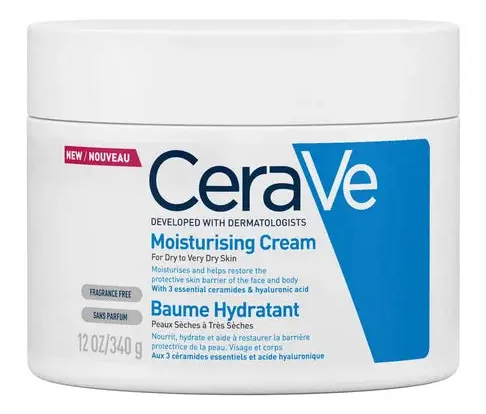
Eczema and dryness are treated by repairing the skin barrier: frequent moisturizing with ceramide- and glycerin-rich moisturizers, gentle cleansing with lukewarm water and no harsh soap, and avoiding fragrances and irritants. Moisturizing right after showering locks in hydration. Severe or persistent flares need doctor-prescribed creams, so don’t delay a consultation when the skin cracks or itching is severe.
Dryness and eczema share a fault in the skin’s protective barrier, so it loses water easily and becomes prone to itching and irritation. The goal of care here is simple and central: repair the barrier and maintain hydration.
Written & reviewed by: Dr. Aman HammoudiLast updated: July 2026
📊 Quick facts
20%of children and ~10% of adults are affected by eczema (atopic dermatitis)
85%of cases begin before age five
Moisturizingemollients are the cornerstone — they strengthen the barrier and reduce flares
🔍 Common causes
A weak skin barrier: a lack of natural lipids lets water evaporate, so the skin dries and cracks.
Genetic and immune factors: eczema (atopic dermatitis) is linked to genetic and immune factors and can come with allergies and asthma.
Environmental triggers: dry/cold weather, heating, hot water, and harsh soap.
Irritants: rough fabrics (wool), some detergents and fragrances, and stress.
🔁 The dryness–itch cycle — interactive
Eczema runs in a vicious cycle. Tap “Next” to follow each step and understand where treatment breaks the cycle.
1
🧪 Evidence-backed active ingredients
These ingredients are backed by scientific evidence for this concern. What’s best for your skin is decided by the pharmacist or doctor — and some need gradual introduction. The examples shown under each ingredient are for illustration only and not a sales offer; the doctor or pharmacist decides what’s best for your skin.
CeramidesThe cornerstone
Natural lipids that rebuild the skin barrier and reduce water loss — the most important element in treating dryness and eczema.
Moisturize immediately after showering while skin is damp — the single most important habit.
Short showers with lukewarm water; hot water dries and worsens itching.
Avoid harsh soap, fragrances and rough fabrics like wool.
Don’t scratch — scratching breaks the skin and opens the door to infection.
A room humidifier in winter eases dryness.
⚠️ When to see a dermatologist
Widespread or severe eczema that doesn’t improve with moisturizers.
Signs of infection: yellow crusting, oozing fluid, swelling, heat or pain.
Severe itching that prevents sleep or affects daily life.
Deep cracks or bleeding.
Eczema in an infant or child that doesn’t respond to home care.
❓ FAQ
At least twice a day, more on dry areas, and always right after showering while the skin is still damp.
No, eczema is not contagious. But if it develops a secondary infection, the infection itself can spread.
Dryness is roughness and flaking, while eczema is inflammation with itching, redness and recurring flares, and often needs medical follow-up.
Many ceramide barrier-repair moisturizers suit both, but the face may need a lighter formula. Ask the pharmacist.
Medical disclaimer: This content is general educational information only — not a diagnosis or a substitute for consulting a doctor or pharmacist. Do not start any prescription medication (such as antibiotics or oral retinoids) without medical supervision.
🧪 Free tool
Try the skin analysis tool
Answer a few quick questions and we’ll build a full morning and evening routine from products we actually stock — with automatic conflict and safety checks.